The Oldest Bargain, in brief
The 4-minute version of The Oldest Bargain.
Joel R. Singh
Underwritten
2026-09-10
Around 1750 BCE, a scribe pressed a clause into wet clay in Babylon. A merchant borrowed money for a trading voyage. If storms or thieves took his cargo, he owed nothing back. The lender charged extra for taking that chance, and the merchant paid it gladly. He was buying a night of sleep.
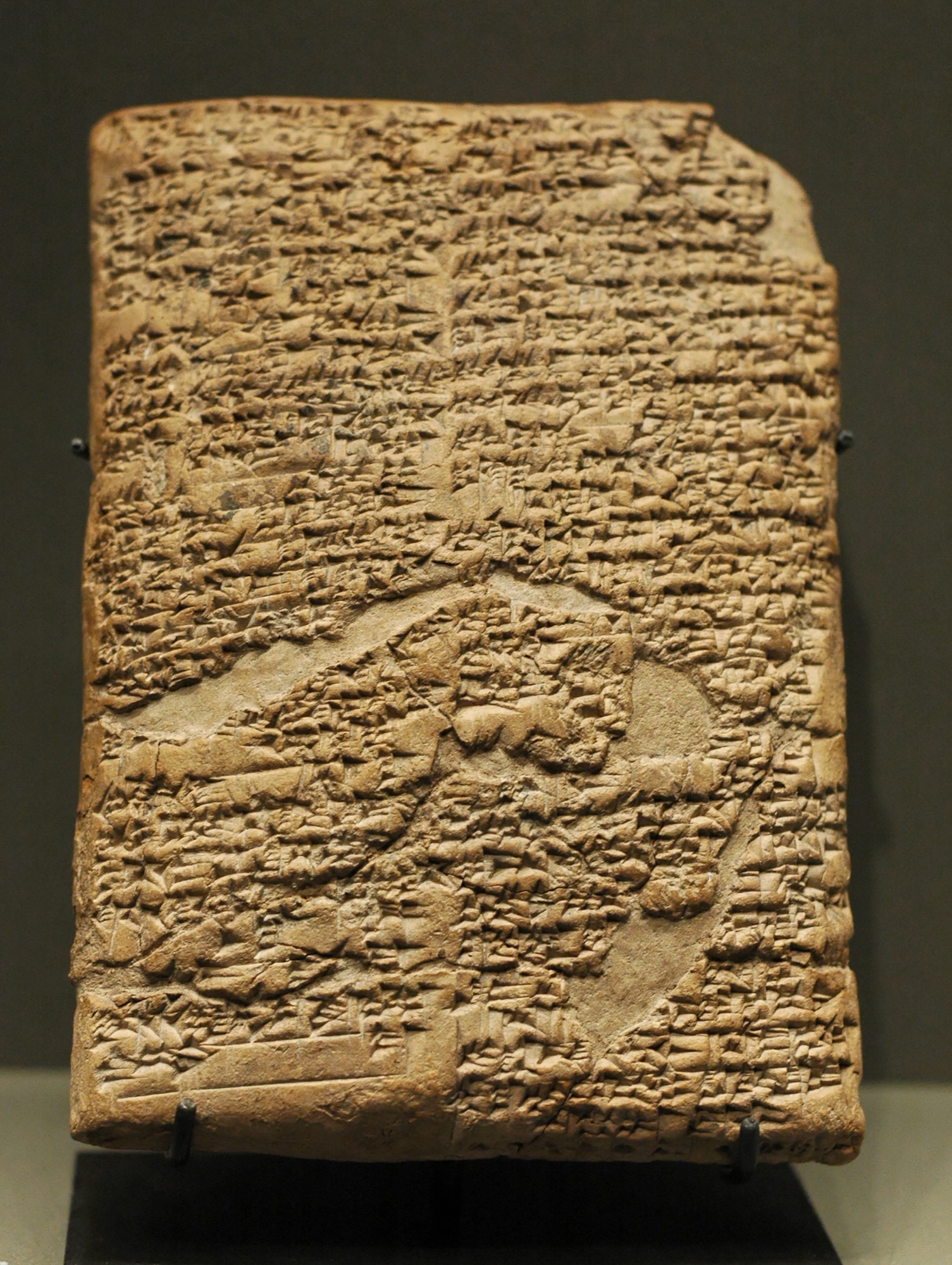
Nobody called it insurance. The deal was the modern one anyway. I pay a small known amount now, so I never face a large unknown loss alone.
What insurance is
Insurance is a promise, paid for up front, that a group will catch a member who falls. It turns "what if" into a fixed price.
Some losses are rare and huge at once. A warehouse fire may come once in a lifetime, and it can end you. Nobody knows whose building will burn, but a large enough group knows how often fires happen and what they cost. So each member pays a little into one pot, and whoever burns is made whole from it.
- A premium is the small amount you pay up front to hand a risk to someone else.
- To pool risk is to put many dangers in one fund, so those who stay safe cover those who do not.
- A mutual is a fund owned by the people it protects, who are both insured and insurer.
- Underwriting is judging one risk and setting the price you will accept it at.
Splitting the cargo
Traders spread danger long before anyone wrote a premium down. Chinese river merchants are said to have split each trader's goods across many boats, so everyone's cargo rode on everyone's hull. When a boat went down, no trader lost everything.
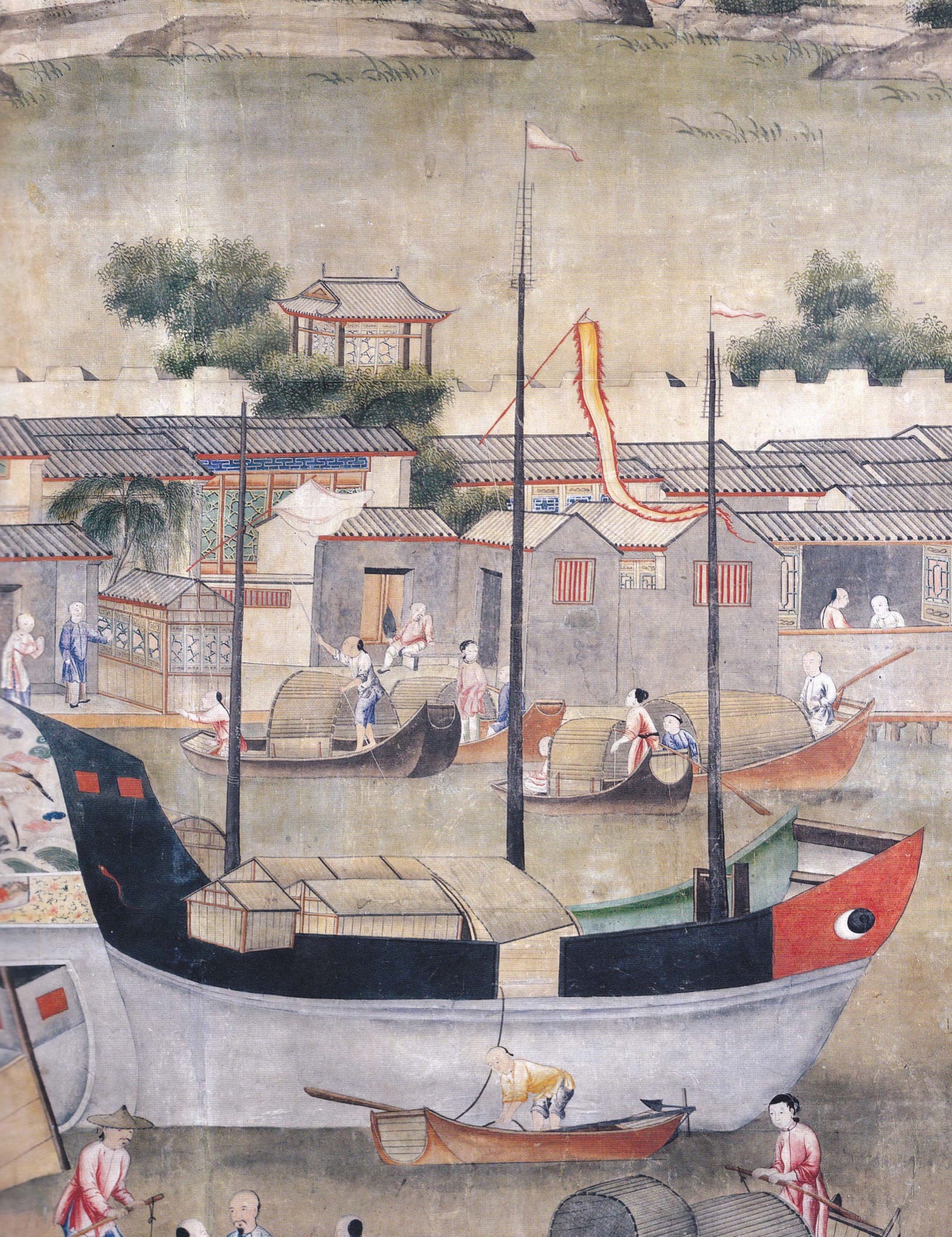
That is diversification, five thousand years early. Babylonian financiers did the same overland, so a raid on a desert caravan fell on several purses instead of one.
One caution: the river story runs through industry histories but rests on no named primary source. Treat it as tradition.
Athens put a number on it
By the 300s BCE, Athens ran on the sea loan. A financier paid for a merchant's cargo, and if the ship sank the debt sank with it.
The lender charged for that danger, and the charge tracked the route. Court speeches by Demosthenes show real numbers. A long, exposed run to the Bosporus cost about thirty percent. A short, sheltered one cost about seven and a half.
The price had become information. High meant dangerous, low meant safe, and a merchant who could read the rate could read the sea.
Rome wrote the idea into law. Normal loans were capped at twelve percent a year, but sea loans were exempt while the ship was at sea and the money truly at risk. Price could rise to meet risk, for exactly as long as the risk lasted.
The members' fund
Romans also built funds that had nothing to do with cargo. Workers formed small clubs called collegia. One left its rulebook carved in marble, dated 9 June AD 136.
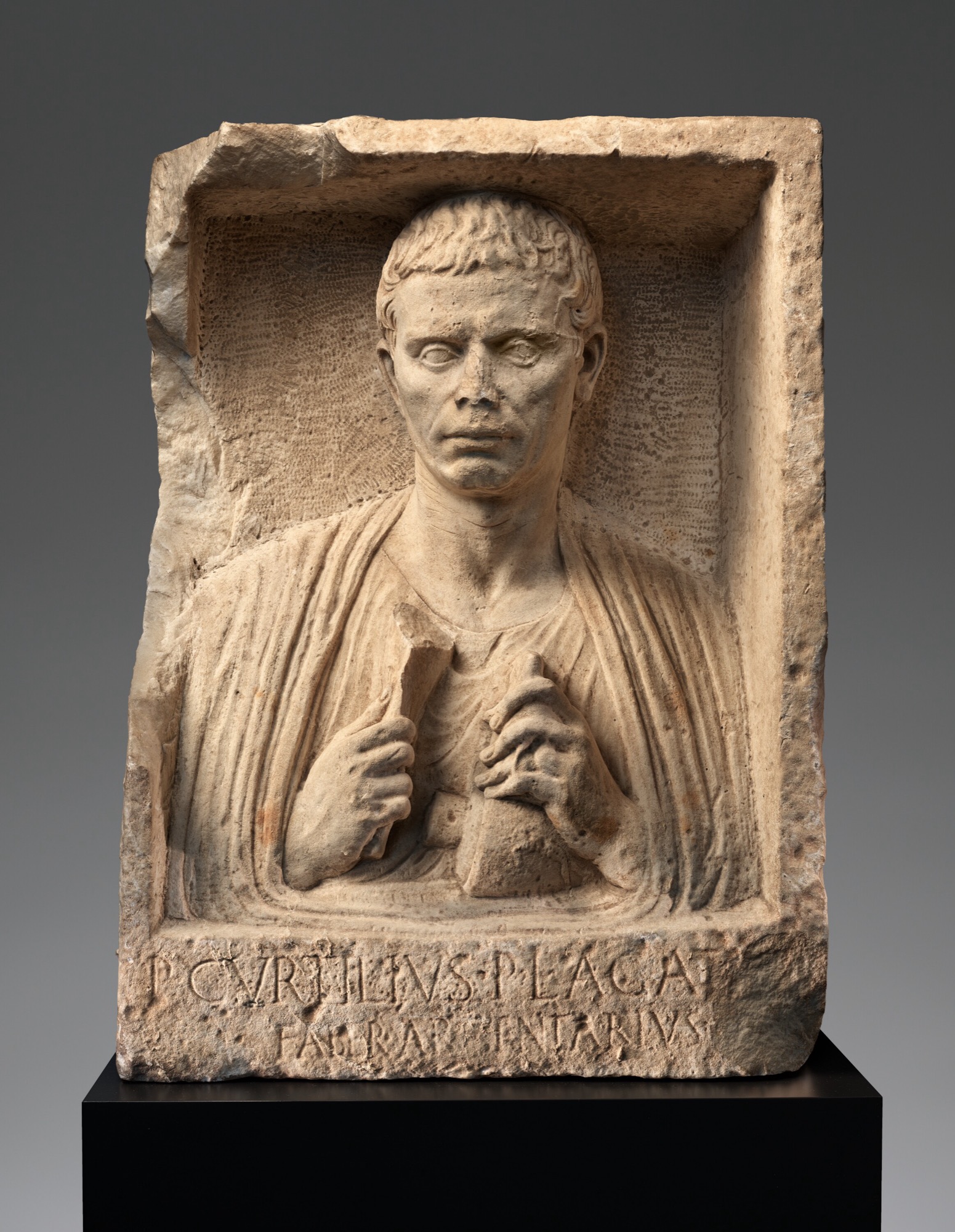
It reads like a policy. A member paid a joining fee and a jar of wine, then a small monthly due, and the club buried him from the shared fund. That is a mutual, centuries before the word existed: many people paying a little, in advance, into a fund they owned together.
The idea outlived Rome inside the guilds. A guild in Wymondham paid a sick brother a daily allowance for as long as his illness lasted. A guild in Hull paid weekly to any member left "infirm, bowed, blind, dumb, deaf, maimed, or sick," and kept paying for life.
That is sickness and disability cover, funded by dues. The catch: you could not buy it without joining the brotherhood.
Genoa sells risk on its own
On 18 March 1343 a Genoese notary wrote a document counted among the first real insurance policies.
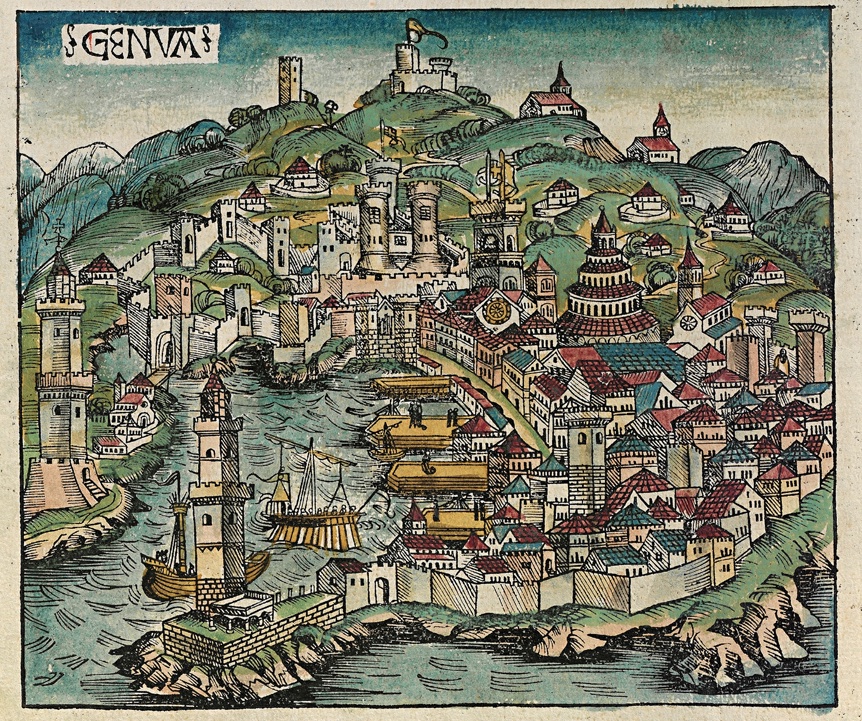
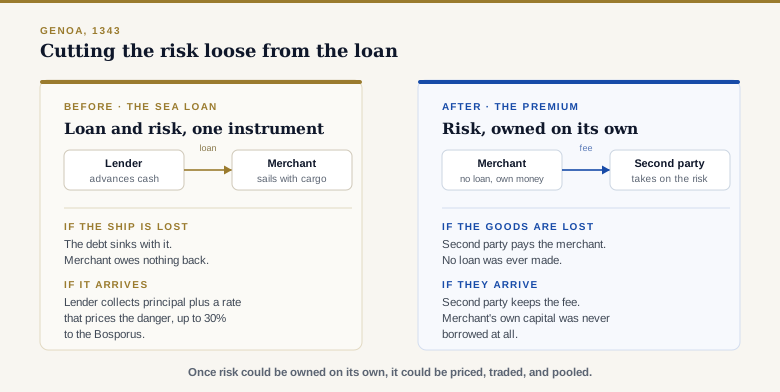
Genoese merchants had tired of the sea loan, because it tied lending money to carrying risk. A merchant with his own money had no clean way to buy protection.
So they cut the two apart. There was no loan. The merchant kept his cargo and paid a fee, and a second party promised to pay him if the goods never arrived. That fee is the premium. Genoa was regulating it by 1369.
Before this, a voyage's danger belonged to the voyage. The premium made that danger a thing of its own, which one person could hand to another for a price. Once risk could be owned, it could be priced, traded, and pooled.
What comes next
Two things were still missing in 1343: a disaster big enough to make ordinary people want cover, and the math to price it honestly. Both arrived within three centuries. London burned in 1666, a coffeehouse by the Thames grew into the market that still carries its owner's name, and an astronomer built one of the first honest tables of how long a person lives.
That is Part 2, Fire, Coffee, and Mathematics.
Works Cited
- 1Code of Hammurabi, bottomry clauses https://avalon.law.yale.edu/ancient/hamframe.asp
- 2Athenian and Roman maritime loans
- 3Demosthenes on sea-loan rates
- 4The Roman centesima ceiling https://penelope.uchicago.edu/Thayer/E/Roman/Texts/secondary/SMIGRA*/Fenus.html
- 5The Lanuvium burial society https://philipharland.com/greco-roman-associations/310-regulations-of-the-worshippers-of-diana-and-antinous/
- 6Medieval guild relief obligations
- 7The 1343 Genoese policy
- 8The 1369 Genoese marine-insurance ordinance under Doge Gabriele Adorno https://doi.org/10.1057/9781137411389_2
---
Informational only. This essay is a general history and is not insurance advice, legal advice, or a recommendation of any policy. Dates and attributions follow the conventional historical record and are approximate where the sources themselves are. Research and writing by Joel R. Singh for iSinghLabs Inc.